First Time in Japan: The Essential Pre-Trip Guide
Japan welcomed 25.6 million international visitors in 2024 (per JNTO data), with over 60% being first-time visitors. If you're planning your maiden voyage to Japan, this guide covers everything from cultural etiquette to logistics, helping you avoid common mistakes and maximize your experience.
Before You Go: Logistics
Visa & Entry
Citizens of 68 countries (including US, UK, Canada, Australia, most EU nations) can enter Japan visa-free for up to 90 days. Others must apply for a tourist visa at a Japanese embassy/consulate, typically requiring a passport valid for 6+ months, itinerary, and proof of sufficient funds. All visitors must complete the Visit Japan Web pre-registration (immigration, customs, tax-free) for faster airport processing.
Best Time to Visit
- March-April: Cherry blossom season — beautiful but crowded and expensive
- May-June: Pleasant weather, fewer crowds, lower prices (note: mid-June brings rainy season)
- September-November: Autumn foliage, comfortable temperatures, second-most popular season
- December-February: Winter — great for skiing (Niseko, Hakuba), illuminations, and lower prices; cold in the north
- July-August: Hot and humid (30-35°C), but ideal for Hokkaido and mountain regions; summer festivals (matsuri)
Budget Estimate (Per Person, 10 Days)
| Category | Budget | Mid-Range | Luxury |
|---|---|---|---|
| Accommodation | $400-700 | $1,000-1,800 | $3,000-6,000 |
| Food | $300-500 | $600-1,000 | $1,500-3,000 |
| Transport (JR Pass + local) | $400-500 | $400-500 | $800-1,500 (private car) |
| Activities & shopping | $200-400 | $400-800 | $1,000+ |
| Total (excl. flights) | $1,300-2,100 | $2,400-4,100 | $6,300+ |
Cultural Etiquette: The Unwritten Rules
Do
- Bow when greeting, thanking, or saying goodbye (a small nod is fine for casual situations)
- Remove shoes when entering homes, traditional ryokans, many temples, and some restaurants (look for genkan entryway)
- Carry cash — many small restaurants, temples, and rural shops are cash-only despite Japan's tech reputation
- Use the correct bathroom slippers — separate slippers for the toilet room; never wear them onto tatami
- Stand on the correct side — escalators: stand left in Tokyo, right in Osaka (opposite of most countries)
Don't
- Don't tip — tipping is not customary and can cause confusion or offense
- Don't eat while walking — find a spot to stand or sit; ice cream is the common exception
- Don't blow your nose in public — sniffle is preferred; use restrooms for nose-blowing
- Don't enter temples/shrines in shoes — follow posted signs; some require removing shoes at the main hall
- Don't take photos of people without permission — especially geisha/maiko in Gion and worshippers at religious sites
Food & Drink Essentials
Japanese cuisine was inscribed on UNESCO's Intangible Cultural Heritage list in 2013. Must-try dishes include: sushi (conveyor belt kaiten-zushi is great for beginners), ramen (regional styles: tonkotsu in Fukuoka, shoyu in Tokyo, miso in Hokkaido), tempura, okonomiyaki (Osaka savory pancakes), takoyaki (octopus balls), and kaiseki (multi-course haute cuisine). For drinks, try sake (rice wine), shochu (distilled spirit), and matcha (powdered green tea).
Convenience stores (7-Eleven, FamilyMart, Lawson) are a first-timer's secret weapon — they offer excellent ready-made meals, onigiri (rice balls), sandwiches, and hot food at low prices ($3-7 per meal).
Getting Around
Japan boasts one of the world's best public transport systems. The Shinkansen (bullet train) reaches speeds of 320 km/h and connects major cities with punctuality measured in seconds. For multi-city travel, evaluate whether a Japan Rail Pass ($315 for 7 days, as of 2024) saves money vs. individual tickets — it typically does if you make one round-trip between Tokyo and Kyoto/Osaka plus additional travel. Within cities, IC cards (Suica, Pasmo, ICOCA) work on trains, subways, buses, and even convenience store purchases.
First-Time Itinerary Recommendation (10 Days)
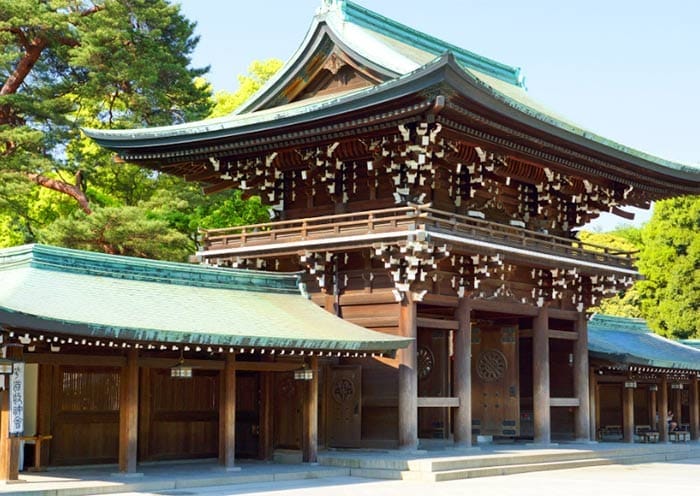
Days 1-3: Tokyo — Meiji Shrine, Shibuya, Asakusa (Senso-ji), Akihabara, Tsukiji Outer Market, teamLab Planets
Day 4: Hakone/Mt. Fuji — Lake Ashi cruise, Owakudani, onsen ryokan stay
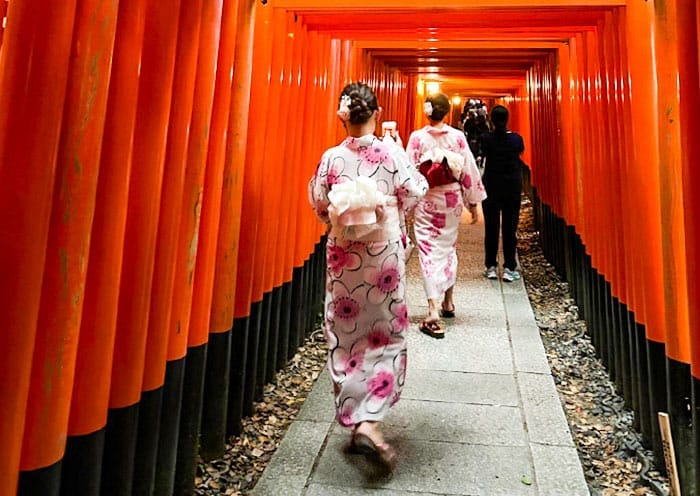
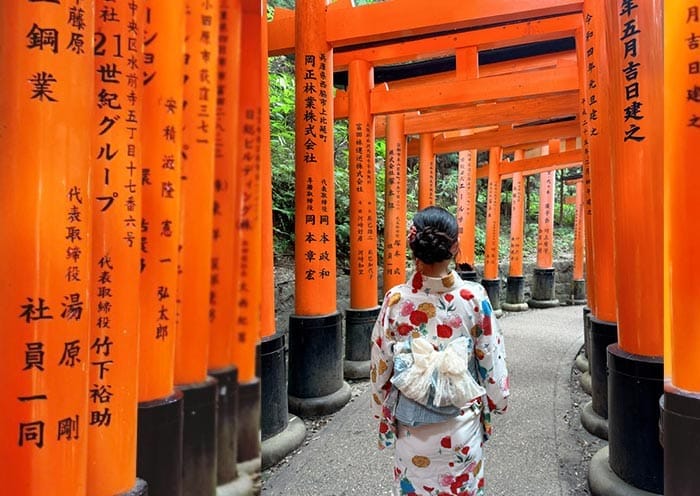
Days 5-7: Kyoto — Fushimi Inari, Kinkaku-ji, Arashiyama, Gion geisha district, tea ceremony
Day 8: Nara (day trip) — Todai-ji Great Buddha, deer park, Kasuga Taisha
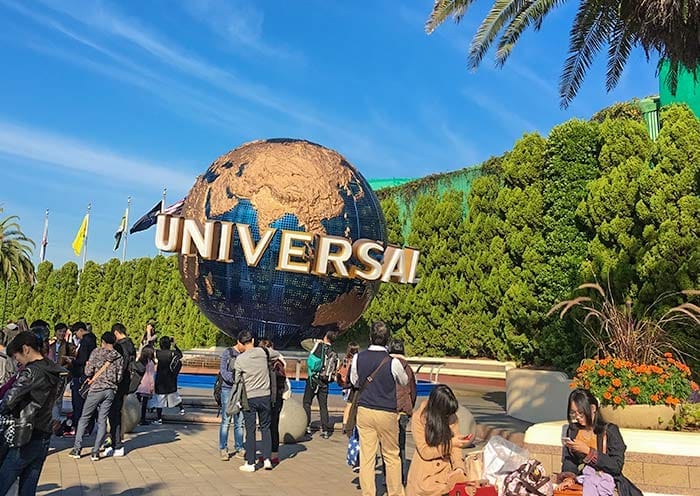
Days 9-10: Osaka — Osaka Castle, Dotonbori food street, Universal Studios Japan (optional), departure from KIX
Frequently Asked Questions
Is Japan safe for solo travelers?
Japan consistently ranks among the world's safest countries (Global Peace Index top 10). Violent crime is extremely rare. Solo travelers of any gender can feel comfortable, even late at night in major cities.
How much Japanese do I need to know?
Basic phrases (hello, thank you, excuse me, where is ___) are appreciated. Major tourist areas have English signage, and many younger Japanese speak some English. Google Translate's camera feature works well for menus and signs.
Can I use my phone in Japan?
Yes. Rent a pocket Wi-Fi ($5-10/day) or buy a SIM card at the airport (eSIM options available). Free Wi-Fi is common in cafes, convenience stores, and stations but not always reliable.
Ready for your first Japan adventure? explore our first-time Japan itineraries or get a free custom plan.