
What Is the Japan Golden Route?
The Japan Golden Route is the classic introductory itinerary connecting Japan's five most iconic destinations: Tokyo → Mt. Fuji (Hakone) → Kyoto → Nara → Osaka. Typically completed in 7 days, it covers approximately 1,200 kilometers using a combination of Shinkansen (bullet trains), local trains, and private transfers. According to the Japan National Tourism Organization (JNTO), the Golden Route remains the most popular first-time Japan itinerary, chosen by roughly 40% of first-time international visitors.
The Classic 7-Day Golden Route Itinerary
Days 1-2: Tokyo
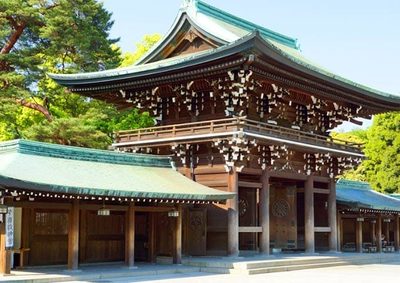
Begin in Tokyo, the world's most populous metropolitan area with over 37 million residents. Key experiences include the Meiji Shrine (a 170-acre forested sanctuary in Harajuku), the Shibuya Crossing (the world's busiest pedestrian intersection, with up to 3,000 people crossing per light cycle), and the historic Senso-ji Temple in Asakusa, founded in 645 AD. Allocate at least two full days to balance modern districts (Shibuya, Shinjuku, Akihabara) with traditional neighborhoods (Asakusa, Yanaka).
Day 3: Mt. Fuji & Hakone
Transfer to the Fuji-Hakone-Izu National Park, home to Mt. Fuji (3,776m, Japan's highest peak and a UNESCO World Heritage Site since 2013). The Hakone region offers volcanic hot springs (onsen), the scenic Lake Ashi pirate ship cruise, and the Owakudani volcanic valley. For the best Mt. Fuji views, visit between November and February when skies are clearest; summer months often obscure the peak in cloud cover.
Days 4-5: Kyoto
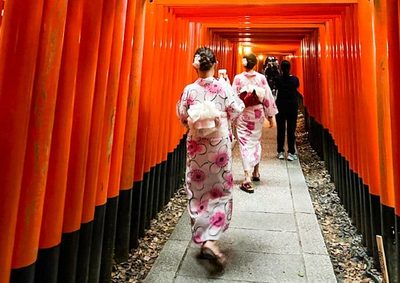
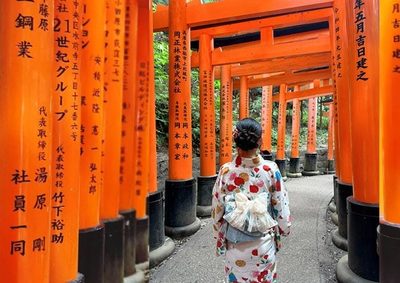
Board the Shinkansen from Odawara to Kyoto (approximately 2 hours). Kyoto served as Japan's imperial capital for over 1,000 years (794-1868) and today hosts 17 UNESCO World Heritage Sites, including Kinkaku-ji (the Golden Pavilion), Fushimi Inari Taisha (with 10,000+ vermilion torii gates), and the Arashiyama Bamboo Grove. Spring cherry blossom season (late March-early April) and autumn foliage (mid-November) are peak periods.
Day 6: Nara
A 45-minute train ride from Kyoto, Nara was Japan's first permanent capital (710-784 AD). Home to the Todai-ji Temple housing the 15-meter Great Buddha (Daibutsu) and over 1,200 sacred sika deer that freely roam Nara Park. Nara is often done as a day trip from Kyoto, though an overnight stay allows for evening temple visits.
Day 7: Osaka
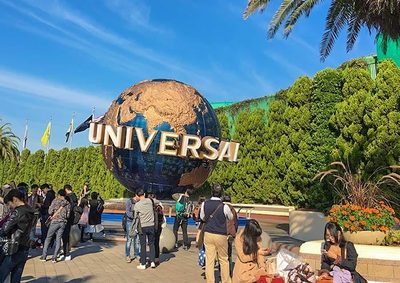
Conclude in Osaka, Japan's third-largest city and self-proclaimed "kitchen of Japan." Highlights include Osaka Castle (originally built 1583 by Toyotomi Hideyoshi), the Dotonbori entertainment district with its iconic Glico Man sign, and street food specialties like takoyaki (octopus balls), okonomiyaki (savory pancakes), and kushikatsu (deep-fried skewers). Kansai International Airport (KIX) is the most common departure point.
Extending the Golden Route
+2 Days: Hiroshima & Miyajima
Add a Shinkansen day trip to Hiroshima (Peace Memorial Park, Atomic Bomb Dome) and the sacred island of Miyajima, famous for the "floating" torii gate of Itsukushima Shrine, a UNESCO site since 1996.
+3 Days: Hokkaido
Extend north to Hokkaido for seasonal experiences: lavender fields in Furano (July), snow festivals in Sapporo (February), or autumn foliage in Daisetsuzan National Park (September). A 2-hour flight from Tokyo connects to New Chitose Airport.
+2 Days: Kanazawa & the Japanese Alps
Visit Kanazawa (Kenrokuen Garden, Higashi Chaya geisha district) and the Japanese Alps (Tateyama-Kurobe Alpine Route), accessible via the Hokuriku Shinkansen from Tokyo (2.5 hours).
Golden Route Cost Estimates (2026)
| Category | Budget | Mid-Range | Luxury |
|---|---|---|---|
| Accommodation (7 nights) | $350-500 | $700-1,200 | $2,000-4,000 |
| Japan Rail Pass (7-day) | $315 | $315 | $315 |
| Food & activities | $300-500 | $600-1,000 | $1,500+ |
| Total per person | $965-1,315 | $1,615-2,515 | $3,815+ |
Frequently Asked Questions
Is 7 days enough for the Japan Golden Route?
Seven days is the minimum to comfortably cover Tokyo, Fuji/Hakone, Kyoto, Nara, and Osaka without excessive rushing. Ten to fourteen days allows for extensions to Hiroshima, Kanazawa, or Hokkaido.
Do I need a Japan Rail Pass?
For the classic Golden Route, a 7-day JR Pass ($315 as of 2024 price increase) typically pays for itself if you travel Tokyo-Kyoto-Osaka and include a Hakone round trip. Compare individual Shinkansen fares before purchasing.
When is the best time to visit?
Late March-early April (cherry blossoms) and mid-November (autumn foliage) offer the most spectacular scenery but also the largest crowds. October and early November provide comfortable weather with fewer tourists.
Ready to experience the Golden Route? Browse our Japan small-group tours or request a custom itinerary.