Why Choose a Japan Cherry Blossom Tour Agency?
Cherry blossom season (sakura) is Japan's most popular travel window, drawing over 6 million international visitors during March and April alone. The bloom front moves northward at roughly 20-30 km per day, and peak bloom at any given location lasts only 3-5 days. A specialized tour agency handles the single most critical factor: bloom timing flexibility. Independent travelers locked into fixed dates often miss full bloom by days; agencies monitor the Japan Meteorological Corporation's weekly forecast and adjust itineraries accordingly.
What to Look for in a Cherry Blossom Tour Agency
1. Bloom-Date Flexibility Policy
The best agencies offer a "sakura guarantee" — if forecasts shift significantly, they will adjust your itinerary's location order or offer alternative viewing spots. Look for agencies that update itineraries as late as 7-10 days before departure based on the latest bloom forecasts. Avoid agencies with rigid, non-adjustable fixed-date itineraries during peak sakura.
2. Local Ground Operations
Agencies with their own local guides and offices in Japan can secure early-morning access to popular spots (before 7 AM, when crowds are 70% lighter) and know hidden sakura spots beyond the tourist trail. Ask whether guides are full-time employees or freelance contractors.
3. Crowd Management Strategy
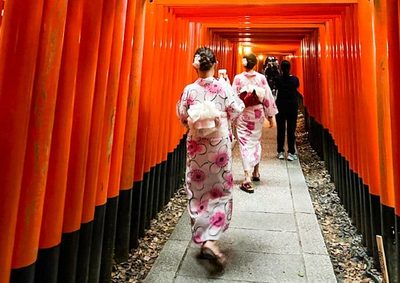
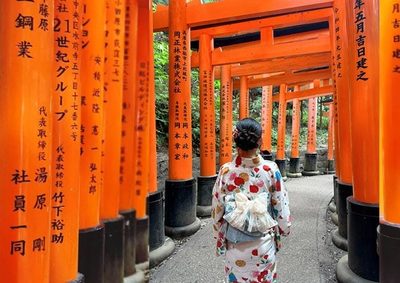
Top spots like Kyoto's Fushimi Inari and Arashiyama Bamboo Grove receive 10,000+ visitors per day during peak bloom. Quality agencies include alternative locations (e.g., Kyoto's Honman-ji Temple or Yoshimine-dera) and schedule visits at dawn or late afternoon.
4. Accommodation Quality & Location
Sakura season hotel prices surge 50-100% and sell out 6+ months in advance. Reputable agencies block rooms at well-located hotels (within walking distance of major stations) and can secure ryokan stays that are otherwise unavailable to individual bookers.
5. Group Size
Small group tours (max 12-16) are preferable for sakura season, as larger groups struggle to navigate crowded viewing spots and may be turned away from smaller temples. Private tours offer the ultimate flexibility but at a 40-60% price premium.
Top Sakura Viewing Locations by Region
| Location | Typical Peak Bloom | Highlights | Crowd Level |
|---|---|---|---|
| Tokyo (Ueno, Shinjuku Gyoen) | March 25-April 3 | 1,200+ trees in Ueno; night illuminations | Very High |
| Lake Kawaguchi (Mt. Fuji) | April 5-10 | Fuji reflected in lake with cherry blossoms | High |
| Kyoto (Philosopher's Path, Gion) | March 28-April 5 | Canal-lined path, geisha district | Very High |
| Nara (Yoshino Mountain) | April 5-12 | 30,000 trees across 4 elevation zones | Medium |
| Osaka (Kema Sakuranomiya) | March 28-April 5 | 4,800 trees along Okawa River | High |
| Hokkaido (Hakodate, Matsumae) | April 28-May 5 | Last sakura in Japan; castle moat petals | Low-Medium |
2026 Sakura Tour Price Benchmarks
- Budget group (20-30 people): $1,800-2,500 per person (7 days, 3-star hotels)
- Small group (10-16 people): $2,800-3,800 per person (8 days, 4-star hotels)
- Private tour (2-6 people): $4,500-7,000 per person (8 days, 4-5 star + ryokan)
- Luxury private: $8,000+ per person (including Michelin dining, private cars)
Frequently Asked Questions
When should I book a cherry blossom tour?
Book 6-9 months in advance for the best selection and pricing. Popular small-group departures sell out by October for the following spring.
What happens if it rains during my tour?
Rain actually enhances sakura viewing (petals fall dramatically, creating "hanaikada" flower carpets). Quality agencies have indoor alternatives (museums, covered shopping arcades, sake tastings) for heavy rain days.
Can I combine cherry blossoms with other destinations?
Yes. Many agencies offer 10-14 day itineraries combining the sakura route with Hiroshima, Kanazawa, or even a southern extension to Okinawa (which blooms in late January-February).
Ready for sakura season? view our cherry blossom tour departures or ask about our bloom-guarantee policy.